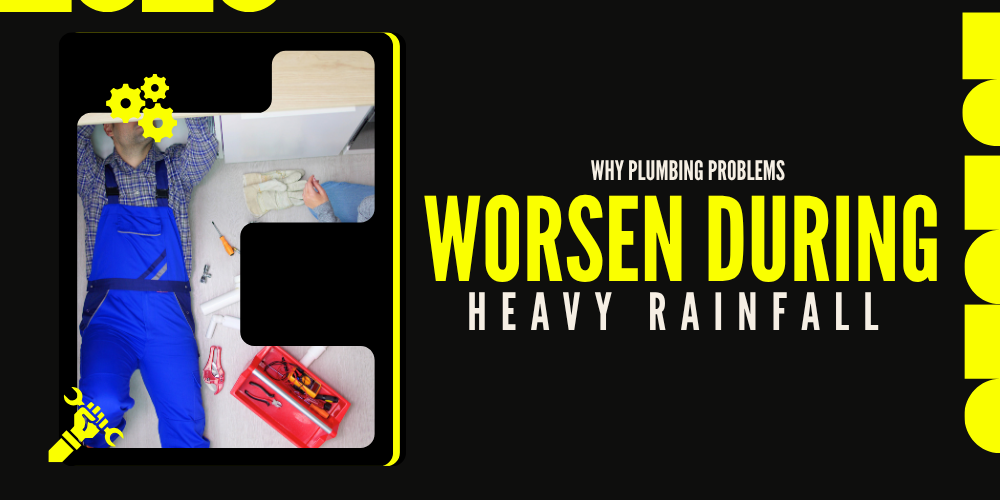
Heavy rainfall can turn a normally functioning drainage system into an unexpected source of trouble. As rainfall increases, saturated soil and overloaded drainage systems can expose hidden plumbing problems. Cracked underground pipes may allow groundwater to enter, adding more water to an already strained sewer system. Consequently, slow drains, bubbling toilets, and sewer backups can become more likely during prolonged storms. However, these warning signs often point to weaknesses that existed before the rain started. Understanding what happens beneath your home during heavy rainfall can help you spot trouble before wastewater reaches your floors.
How Rainfall Strains Drainage Systems
Heavy rainfall increases the amount of water entering drainage systems, placing additional pressure on systems already handling regular wastewater flow. As water levels rise, drainage systems may struggle to maintain normal operation. Several conditions contribute to this strain, including:
- Increased water volume: Heavy rain can overwhelm combined sewer systems that carry stormwater and wastewater, reducing their available drainage capacity.
- Ground saturation: Saturated soil allows groundwater to enter underground sewer pipes through cracks, loose joints, and damaged connections.
- Surface flooding: Water collecting around storm drains can delay runoff, especially when surrounding streets and low-lying areas lack adequate drainage.
- Restricted stormwater outlets: Blocked discharge points or high downstream water levels can prevent stormwater from leaving drainage networks efficiently.
These conditions can expose existing plumbing problems and increase drainage pressure during prolonged rainfall.
Why Sewer Backups Happen During Storms
Storms can expose weaknesses within sewer systems that remain unnoticed during dry weather. When wastewater cannot move through pipes at its normal rate, pressure may build and force sewage toward connected fixtures. The following situations contribute to sewer backups:
- Excess rainwater entering sewer lines: Improper downspout connections, damaged pipe joints, and unauthorized drainage connections can allow stormwater to enter sanitary sewer systems.
- Existing pipe obstructions: Grease deposits, tree roots, and accumulated debris narrow sewer passages, preventing wastewater from moving freely.
- Sewer line deterioration: Collapsed or misaligned pipe sections restrict wastewater flow and create areas where waste can accumulate.
- Municipal sewer surcharging: When public sewer mains exceed their capacity, wastewater levels may rise and enter connected properties through lower-level fixtures.
Identifying these causes helps determine whether plumbing problems originate within private sewer lines or the public drainage network.
Warning Signs of Plumbing Problems
Drainage issues often produce noticeable symptoms before wastewater enters living spaces. During heavy rainfall, these changes may become more frequent as sewer systems experience additional pressure. Watch for the following warning signs:
- Slow drainage across multiple fixtures: Water draining slowly from several sinks, showers, or tubs may indicate a restriction within the main sewer line.
- Persistent sewage odors: Unpleasant smells near floor drains or basement fixtures can indicate drainage issues, trapped waste, or sewer gas escaping through plumbing openings.
- Gurgling and bubbling toilets: Unusual sounds or air bubbles may indicate restricted wastewater flow or ventilation issues in the connected drainpipes.
- Wastewater returning through lower fixtures: Sewage rising through basement floor drains, or showers can indicate sewer backups that require immediate attention.
Recognizing these symptoms early allows homeowners to arrange professional inspections before drainage conditions worsen.
What to Do When Drains Back Up
Sewage entering a home can contaminate surfaces, damage belongings, and create health concerns. When sewer backups occur, homeowners should focus on limiting exposure and preventing additional damage. The following steps help manage the situation:
- Reduce wastewater exposure: Stop using affected toilets, sinks, and water-using appliances. Keep children and pets away from contaminated areas.
- Protect electrical safety: Avoid flooded spaces containing electrical outlets, appliances, or exposed wiring. Contact qualified professionals when water creates electrical hazards.
- Document visible damage: Photograph affected floors, walls, and belongings from a safe location to support insurance claims and repair assessments.
- Arrange professional assessment: Contact plumbing experts to inspect sewer lines, identify blockages or pipe damage, and recommend appropriate repairs.
Avoid chemical drain cleaners and repeated flushing, as these actions may worsen existing plumbing problems. Professional assessment helps identify the cause before normal water use resumes.
Prevent Plumbing Trouble Before Storms
Preparing drainage systems before heavy rainfall can help reduce avoidable plumbing problems. Regular maintenance keeps wastewater moving, while proper property drainage limits unnecessary water accumulation. Homeowners can take the following preventive measures:
- Maintain drains and sewer lines: Keep grease, wipes, and food waste out of drains. Address recurring clogs and repair damaged sewer pipes before restrictions worsen.
- Improve property drainage: Clear gutters and downspouts, and direct roof runoff away from foundations to prevent water from collecting around the home.
- Check backwater valve options: Ask plumbing professionals whether an approved backwater valve can help prevent wastewater from flowing back through the property’s sewer connection.
- Inspect outdoor drainage openings: Remove leaves, sediment, and other debris from accessible yard drains and surface grates to maintain stormwater flow.
- Schedule pre-storm sewer inspections: Arrange professional inspections for properties with a history of sewer backups to identify hidden obstructions or structural defects.
Consistent maintenance and timely repairs help homeowners reduce storm-related drainage risks and protect their plumbing systems.
Stop the Backup Before the Next Downpour
A storm shouldn’t leave you dealing with wastewater inside your home. However, heavy rainfall can expose existing drainage weaknesses and increase the risk of sewer backups. When pipes already contain blockages or damage, excess water can make the situation worse. Recognizing slow drains, unusual odors, and recurring backups gives homeowners a chance to act before another storm arrives. Regular sewer maintenance can also help reduce the risk of wastewater damage. Schedule a professional plumbing inspection to resolve plumbing problems before the next heavy rainfall puts your drainage system to the test.
Read more: Why Cooking at Home Can Encourage Healthier Eating Habits

Jhon AJS, the creative mind behind Grammar Update, is an experienced blogger passionate about simplifying English grammar. He focuses on explaining confusing word vs word differences, grammar rules, punctuation, and sentence structure in a clear and practical way. Through easy to understand guides and examples, Jhon helps readers improve their writing and communicate with confidence. With years of blogging experience, he continues to share helpful insights that make learning grammar simple, useful, and accessible for everyone.