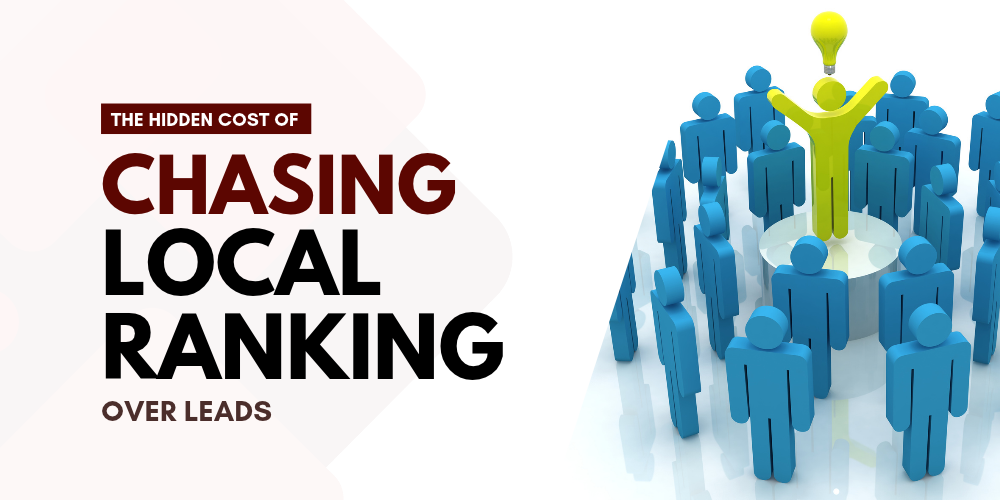
Reaching the top of search results means little when the phone stays silent. Many businesses invest time and money into improving their local ranking, expecting higher positions to attract more customers. However, increased visibility doesn’t always lead to bookings or sales. Some visitors may browse without any intention of purchasing, while others may need services the business doesn’t offer. As a result, overlooking lead quality can waste marketing resources and create a gap between website traffic and actual revenue. Understanding what happens beyond search positions can reveal why higher rankings don’t always deliver better results.
When Local Ranking Misleads
A higher position in search results can make a business appear more successful. However, local ranking primarily measures visibility, not customer interest or sales performance. Several factors can create a misleading picture of success, such as:
- Higher search visibility: Better positions can increase website visits without confirming whether visitors intend to contact the business.
- Misleading engagement metrics: Impressions, clicks, and profile views show search activity but reveal little about actual customer demand.
- Ranking fluctuations: Changes in search positions can make performance appear better or worse without reflecting business growth.
- Incomplete performance reports: Reports that focus on traffic may overlook how visitors interact with booking forms and contact options.
As a result, businesses need to distinguish search exposure from meaningful customer engagement. Strong local ranking creates visibility, but it does not guarantee profitable results.
Why Lead Quality Matters More
Not every inquiry offers the same sales potential. While attracting more prospects can increase opportunities, lead quality depends on how closely customer needs match the business’s services. The following characteristics help identify valuable inquiries:
- Service compatibility: Prospects request solutions that the business provides rather than unrelated services.
- Location eligibility: Customers are within the company’s coverage area, enabling service arrangements.
- Booking readiness: Interested prospects ask about scheduling, availability, or next steps rather than gathering general information.
- Specific service needs: Customers explain their concerns, allowing professionals to assess whether they can provide suitable assistance.
Moreover, qualified prospects often require fewer conversations before making a booking decision. Prioritizing lead quality helps businesses focus on inquiries with stronger conversion potential rather than relying on traffic volume.
The Cost of Unqualified Traffic
Attracting more visitors can be expensive when they rarely become customers. In particular, pursuing broad search terms may improve local ranking while increasing marketing costs. The following problems affect business operations:
- Wasted SEO spending: Broad keywords consume marketing budgets without consistently attracting prospects who need the advertised services.
- Administrative workload: Reviewing unrelated inquiries and filtering unsuitable requests adds work without producing appointments.
- Delayed customer responses: Time spent handling irrelevant requests can prevent professionals from assisting prospects who need immediate service.
- Poor resource allocation: Continued investment in low-converting keywords leaves fewer resources for searches with stronger commercial intent.
Beyond financial losses, low lead quality can make it harder to identify which marketing activities deserve further investment. Businesses need traffic that supports customer acquisition, not just higher visitor counts.
Match Search Intent to Services
Improving search performance starts with understanding what potential customers need. Rather than pursuing local rankings for unrelated searches, businesses should align their SEO strategies with their actual service offerings. The following approaches help attract relevant prospects:
- Service-specific keywords: Target phrases that describe available services instead of relying on broad industry searches.
- Problem-focused content: Address specific customer concerns and explain which services can resolve them.
- Accurate location targeting: Include relevant service areas to reach customers within the business’s coverage.
- Clear service descriptions: Explain service limitations and available solutions to help visitors understand what to expect.
- Relevant landing pages: Match page content with search queries and provide direct contact or booking options.
Additionally, accurate business information helps visitors make informed decisions before contacting a provider. Matching search intent with services can strengthen lead quality and attract more suitable inquiries.
Measure Results Beyond Rankings
Search visibility provides useful information, but businesses also need to understand which marketing efforts drive customer acquisition. Tracking local ranking alongside conversion data helps reveal actual performance. The following indicators provide a clearer picture:
- Qualified calls: Identify phone inquiries that match available services and fall within the business’s coverage area.
- Form conversion rates: Measure how often website visitors submit relevant service requests through contact forms.
- Scheduled appointments: Track the percentage of qualified inquiries that progress into confirmed bookings.
- Completed sales: Determine which marketing channels contribute to paying customers and revenue.
- Customer acquisition costs: Compare marketing expenses against the number of new customers gained.
- Keyword conversion performance: Identify search terms that consistently produce valuable inquiries instead of clicks alone.
Finally, reviewing these results helps businesses adjust underperforming campaigns and prioritize effective strategies. Measuring lead quality alongside customer outcomes supports better marketing decisions and sustainable growth.
Turn Rankings Into Real Results
A top search position might grab attention, but it won’t pay off if the wrong audience keeps clicking. While local ranking plays a role in online visibility, lead quality determines whether those visits create opportunities for your business. Instead of investing in rankings alone, track which keywords bring relevant inquiries and lead to actual bookings. This approach helps reduce wasted spending and keeps your marketing efforts focused on meaningful results. Take the next step with strategic local ranking services to connect your business with customers who are more likely to convert.
Read more: The Growing Demand for Energy-Efficient Residential Properties

Jhon AJS, the creative mind behind Grammar Update, is an experienced blogger passionate about simplifying English grammar. He focuses on explaining confusing word vs word differences, grammar rules, punctuation, and sentence structure in a clear and practical way. Through easy to understand guides and examples, Jhon helps readers improve their writing and communicate with confidence. With years of blogging experience, he continues to share helpful insights that make learning grammar simple, useful, and accessible for everyone.