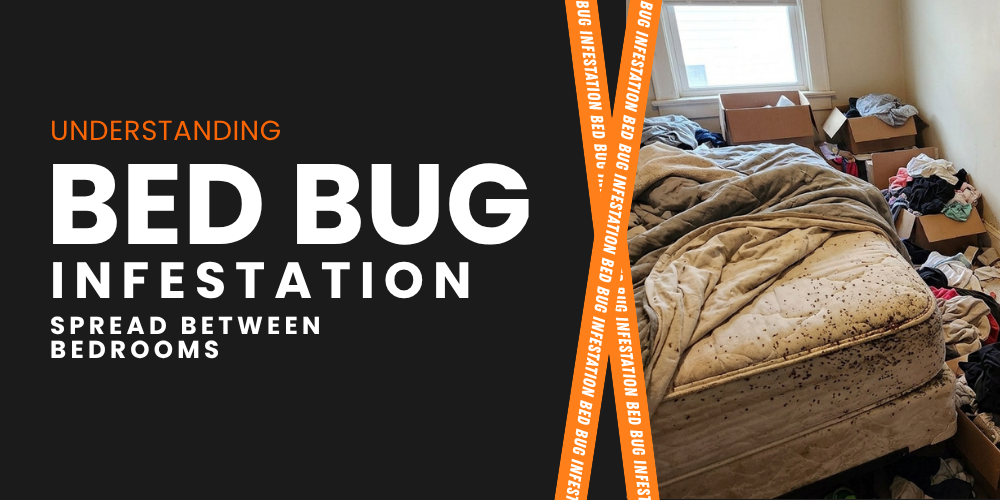
Moving a blanket to the guest room or borrowing a bedroom chair may seem harmless until you discover unwanted insects. Those everyday routines can carry infested belongings into new spaces. However, finding evidence in one room does not automatically mean every bedroom has a bed bug problem.
Understanding bed bug infestation spread starts with identifying the pest and reviewing what moves through your home. Here are practical mistakes to avoid before arranging professional help.
Moving Laundry Can Contribute to Bed Bug Infestation Spread
When you suspect a bed bug problem, resist gathering loose sheets into your arms and carrying them through other bedrooms. Fabric folds can conceal insects, and mixing questionable laundry with other clothing creates additional opportunities for transport.
To limit bed bug infestation spread during laundry handling:
- Bag suspect bedding where you remove it.
- Keep those bags separate from laundry.
- Follow professional instructions for transferring items into machines.
- Place treated items in clean bags or containers.
Ask your provider which washing and drying methods are suitable for each material. Washing alone may not eliminate every life stage, and heat-sensitive belongings need a different plan.
Managing a bed bug problem also means keeping track of what you have processed. Label containers so household members do not mix finished laundry with untreated items. This organization addresses one avoidable route of bed bug infestation spread without requiring you to discard your wardrobe.
Overlooking Bed Bug Hiding Spots in Shared Furniture
A chair beside one bed may become extra seating in another room the next afternoon. Families exchange storage benches and bedside tables without checking their concealed surfaces.
During a bed bug problem, pause those furniture swaps. Before any necessary relocation, ask a professional to assess:
- Upholstery seams and accessible cushion folds.
- Frame connections and narrow joints.
- Drawer cavities, runners, and undersides.
- Recessed hardware and accessible rear panels.
Polished wood and freshly cleaned fabric do not establish that the furniture is free of insects. Bed bugs can occupy small crevices that ordinary surface cleaning misses.
When investigating a bed bug infestation spread, tell the technician which pieces have recently been moved between rooms. Include dates and previous locations so they can evaluate relevant areas.
Do not drag suspicious furniture into a hallway for a closer look. Instead, photograph accessible evidence and leave the piece in place until you receive handling instructions. A professional can explain whether containment, treatment, or removal is appropriate for its condition.
Changing Bedrooms Does Not Stop Bed Bug Infestation Spread
Discovering a bed bug problem can make another bedroom feel like an immediate escape. However, changing beds does not remove insects from the original room or establish that the new space has no activity.
Taking pillows, blankets, overnight bags, or clothing with you can contribute to bed bug infestation spread. Even a small collection of familiar belongings deserves attention before relocation.
Rather than choosing sleeping arrangements alone, explain your concerns to the provider. Ask which items you can safely use, what preparation they recommend, and how they will inspect other bedrooms. Share any previous room changes.
A bed bug problem may involve more than the furniture nearest the first discovery. Professionals can assess nearby hiding places and recommend monitoring when appropriate.
Also, remember that a bed bug infestation spread can involve insects crawling between spaces. Avoid assuming that stopping furniture movement replaces a broader inspection or that every nearby bedroom automatically requires treatment.
Cleaning or Spraying Before Confirming the Pest
Before scrubbing away a suspicious mark or spraying a crevice, document what you found. Take photographs and, when practical, preserve an insect in a sealed container for identification.
Bites alone cannot establish a bed bug problem. Other insects and skin conditions can cause similar complaints, while dirt or unrelated debris may resemble signs of infestation.
Unplanned pesticide applications can create unnecessary exposure and complicate the provider’s work. Tell the technician about any products you have already applied, including their names and application locations.
Accurate identification helps professionals investigate possible bed bug infestation spread and select an appropriate response. They can explain where cleaning is most effective, which evidence to preserve, and how to prepare each relevant room. Keep a record of new findings rather than repeatedly treating unexplained marks yourself.
Give Bed Bugs No Room to Move
Give your household a shared plan before moving to another item. Limit unnecessary transfers, report new evidence, and consistently follow preparation instructions. Addressing a bed bug problem requires coordination across affected and potentially connected bedrooms, rather than separate decisions from everyone at home.
Concerned about bed bug infestation spread in Collinsville? Explore your options here with HeatTech and request a professional assessment. Ask for clear guidance on inspection, treatment, and follow-up to ensure your bed bug problem receives attention beyond the initial discovery.
Read more: Window Treatment Guide for North Milwaukee, WI Homes

Jhon AJS, the creative mind behind Grammar Update, is an experienced blogger passionate about simplifying English grammar. He focuses on explaining confusing word vs word differences, grammar rules, punctuation, and sentence structure in a clear and practical way. Through easy to understand guides and examples, Jhon helps readers improve their writing and communicate with confidence. With years of blogging experience, he continues to share helpful insights that make learning grammar simple, useful, and accessible for everyone.