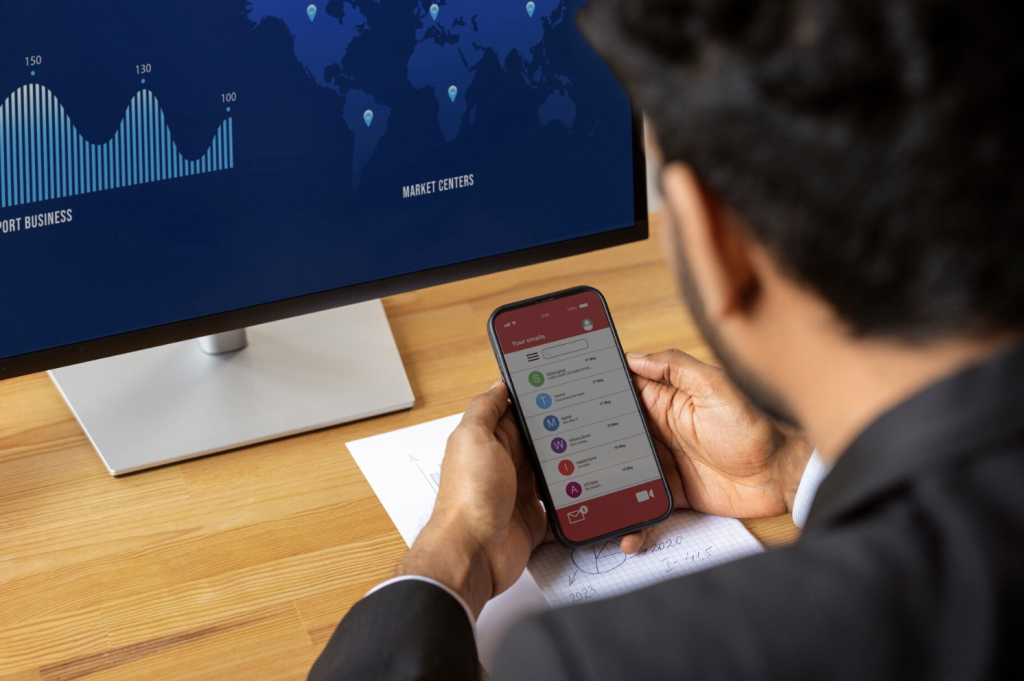
You check the weather before going out, browse shops on your way to work and order lunch before heading home. Each activity is recorded by a different app, but together those data points could help someone infer where you live, what interests you and roughly when you return home. Even information you do not remember sharing may become valuable once it is analysed and connected with other records.
That possibility has already prompted regulatory action. In January 2025, the US Federal Trade Commission finalised an order restricting data broker Gravy Analytics and its subsidiary Venntel from selling certain sensitive location data. Regulators said the companies had unlawfully tracked and sold information that could reveal visits to healthcare facilities and places of worship. The case demonstrated how routine app data can expose far more than users intended to share.
How Small Details Get Into One Profile
An app can track the products you view, the searches you make, or whether you click on any ads. Some apps use third-party services that help measure how people use the app or show them ads. Depending on how the app is set up and what you’ve agreed to share, some of these details can go beyond the app itself. That could mean the time you opened the app, the page you looked at, or the point where you stopped filling in an order.
Companies that collect and sell personal data can connect your app activity with other details. A broker might already have your name and address from public sources or databases. After adding information from a shopping app, the company can estimate your purchasing habits and how often you buy something.
Information Available in a Week of Activity
Imagine a weather app with access to your exact location. If the app tracks your location when you’re viewing the forecast, one week of this activity could reveal a pattern. You might open it from the same neighborhood every morning and from another neighborhood before returning home. Anyone analyzing this data could guess where you live and work.
Shopping activity can help brokers build profiles for advertisers. A broker might put you on a list of likely buyers because you spent the last two weeks comparing different strollers in a shopping app, even if you didn’t buy anything.
The stroller might have been a gift, while the location pattern might simply reflect time spent at a friend’s home.. If the company buying the list of prospective customers decides to add you in their marketing campaign, you’ll keep on receiving those advertisements without even being aware of their origin.
App activity can give brokers clues about where you live. If a people-search site already lists an old address, services such as Surfshark and Incogni can request its removal and a VPN can obscure your IP-based location as you browse, reducing the location information exposed through websites.
Share Less Information the Next Time You Use an App
First, consider location, since it’s easy to forget which apps have access to it. For instance, a weather app doesn’t necessarily need your exact location to give you the forecast for your city. A map app may need to know your location to show you directions, but you can check whether you can restrict this permission to the times when you use the app.
It’s also worth checking the privacy settings of your apps. A shopping app might give you options to limit personalized advertising and data sharing. Consider the apps you aren’t using anymore and look for an option to delete any accounts you no longer need. Uninstalling an app from your device doesn’t necessarily delete the account and all the data associated with it.
If you find your listing on a people-search site, look for its instructions for opting out. Some sites ask you to find your listing and confirm by email that you want it removed. You may have to repeat this procedure for each site where you find your details.
Start With the Apps You Use Every Day
You don’t have to go through all your apps in one sitting. Start with the apps you use for shopping, navigation, and weather forecasts. You might discover a permission you granted months ago that the app doesn’t really need for the features you use. Changing it only takes a few seconds, and you can see if it makes a difference the next time you use the app.
Read More: Practical Study Techniques for Improving Knowledge Retention

Jhon AJS, the creative mind behind Grammar Update, is an experienced blogger passionate about simplifying English grammar. He focuses on explaining confusing word vs word differences, grammar rules, punctuation, and sentence structure in a clear and practical way. Through easy to understand guides and examples, Jhon helps readers improve their writing and communicate with confidence. With years of blogging experience, he continues to share helpful insights that make learning grammar simple, useful, and accessible for everyone.