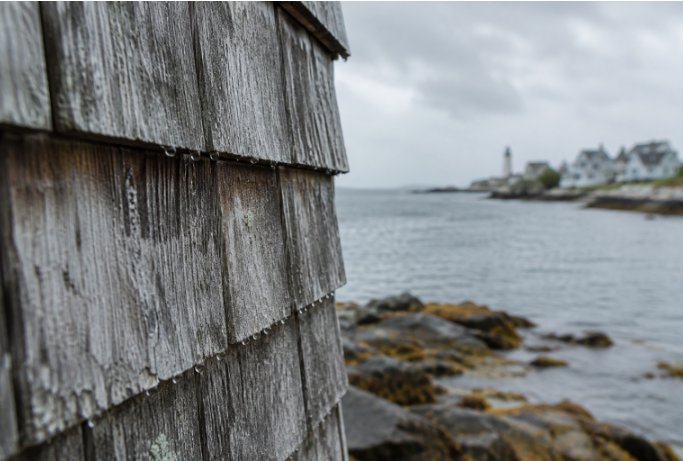
Rhode Island’s shoreline offers remarkably different ways to live, from Newport’s historic waterfront streets to the open fields of Little Compton and the beach-centered rhythm of Narragansett. Buyers who want help interpreting those differences may benefit from working with Newport real estate experts ONE Residential. One Residential is a Rhode Island real estate team based in Newport that represents residential properties across coastal communities including Newport, Middletown, Portsmouth, Jamestown, Narragansett, Westerly, and Little Compton, making its local perspective especially useful when a purchase involves more than simply choosing a house with a view.
The right coastal community is the one that works on an ordinary Tuesday in February as well as a sunny Saturday in July. Before scheduling showings, define what you want daily life to look like, then measure each town against that picture.
Start With The Life You Want To Live
Ocean views can be compelling, but lifestyle fit should lead the search. Decide whether you are seeking a year-round home, a weekend retreat, a walkable village setting, quick beach access, a manageable commute, or more privacy and land. A buyer who values quiet weekends and a rural setting may prefer Little Compton or parts of Portsmouth. Someone who needs frequent access to Providence, Newport restaurants, or major routes may reach a different conclusion.
Write down your non-negotiables before falling in love with a particular listing. Include work schedules, school needs, grocery access, boating or beach habits, entertaining plans, and how much seasonal activity feels enjoyable rather than disruptive.
Compare Coastal Communities By Character
Nearby Rhode Island towns can feel entirely distinct. Newport combines historic architecture, dining, marinas, cultural attractions, and significant visitor activity. Middletown offers residential neighborhoods, beaches, open space, and convenient access to Newport. Portsmouth often appeals to buyers looking for more land and a quieter pace near the Sakonnet River or Mount Hope Bay.
Jamestown offers island living, scenic shoreline, and a more secluded rhythm, while Narragansett is strongly associated with public beaches and seasonal energy. Westerly blends village areas, coastal neighborhoods, and access to both Rhode Island and southeastern Connecticut. Little Compton has a lower-density, rural character shaped by farms, open land, and a less commercial atmosphere.
These are only starting points. Visit each area in the morning, after dinner, on a summer weekend, and in the off-season. The traffic pattern, parking availability, noise level, and neighborhood energy can change substantially.
Look At The Full Cost Before Falling In Love With The View
Coastal pricing should be evaluated beyond the asking price. Review recent comparable sales, property taxes, utility costs, expected maintenance, insurance, and the likely cost of improvements. The Rhode Island Association of REALTORS® reported a statewide single-family median sale price of $534,000 for September 2026, but town, neighborhood, condition, lot size, and water access can create major differences within the state.
Use this basic financial checklist for every property:
- Compare the home with recent closed sales, not just active listings.
- Check how long similar homes remained available.
- Confirm the current tax bill and ask about reassessment practices.
- Estimate heating, cooling, water, landscaping, and seasonal maintenance.
- Separate the home’s year-round value from any premium created by peak-season demand.
Check Flood Zones, Drainage, And Storm Exposure
Two homes in the same town may face very different conditions. Elevation, shoreline position, drainage, road access, retaining walls, and the direction of prevailing weather all matter. Ask for disclosures regarding water intrusion, inspect the foundation and roof carefully, and visit after heavy rain when possible.
Use Rhode Island flood insurance guidance to understand why mapped flood risk deserves attention even when a property is not directly on the water. Homes in high-risk flood areas with federally regulated or insured mortgages generally require flood insurance, while properties outside those areas can still experience flood-related losses.
Price Insurance Before Making An Offer
Request insurance estimates early, ideally before the inspection period ends. Ask whether flood coverage is separate, whether wind or named-storm deductibles apply, and whether the age of the roof, electrical system, plumbing, or heating equipment affects insurability. A licensed insurance professional can provide property-specific guidance that an online estimate or listing description cannot.
Measure Convenience Beyond The Map
A coastal address can appear close to everything on a map while feeling less convenient in winter, during summer traffic, or after a storm. Drive the routes you would actually use. Check travel times to work, groceries, medical care, schools, pharmacies, and the train or airport if those matter to your household.
Also ask about snow removal, trash collection, road maintenance, mobile coverage, internet reliability, and backup-power options. In island and peninsula locations, bridge access, ferry schedules, and seasonal congestion deserve practical consideration.
Match The Property Type To Its Intended Use
- Primary residence: Prioritize insulation, heating efficiency, storage, winter access, and year-round services.
- Second home: Consider travel distance, security, maintenance coordination, and the ability to monitor the property remotely.
- Investment property: Verify local rental rules, permits, taxes, insurance, and realistic operating costs before projecting income.
- Historic home: Plan for specialized repairs, older systems, and potential preservation requirements.
- Waterfront home: Evaluate shoreline conditions, access, flood exposure, and the long-term upkeep of exterior features.
Use Local Knowledge Without Letting Emotion Lead
Listing photographs rarely explain street-by-street differences in traffic, views, drainage, zoning, or seasonal activity. Local professionals, inspectors, insurance agents, and municipal offices can help clarify the questions that matter for a specific property. The goal is not to eliminate every uncertainty. It is to understand the trade-offs before they become expensive surprises.
Build A Simple Community Scorecard
Score each town and property from one to five in the following categories, then compare the results in writing:
- Budget: Can you comfortably carry the price, taxes, insurance, and upkeep?
- Daily convenience: Are work, shopping, healthcare, and schools practical?
- Coastal risk: What do flood exposure, drainage, road access, and storm conditions mean for ownership?
- Lifestyle: Does the pace, privacy, culture, and activity level fit you?
- Long-term fit: Will the home still work if your household, work arrangement, or retirement plans change?
Choose The Community Before The House
The best Rhode Island coastal home is not necessarily the largest property or the one with the widest water view. It is the home that supports your budget, routine, risk tolerance, and plans for the years ahead. Compare communities carefully, visit beyond the busy season, investigate insurance and drainage early, and let the complete cost of ownership guide the final decision.
Read More: Secured Line of Credit for Startups: Advantages and Challenges

Jhon AJS, the creative mind behind Grammar Update, is an experienced blogger passionate about simplifying English grammar. He focuses on explaining confusing word vs word differences, grammar rules, punctuation, and sentence structure in a clear and practical way. Through easy to understand guides and examples, Jhon helps readers improve their writing and communicate with confidence. With years of blogging experience, he continues to share helpful insights that make learning grammar simple, useful, and accessible for everyone.