Introduction
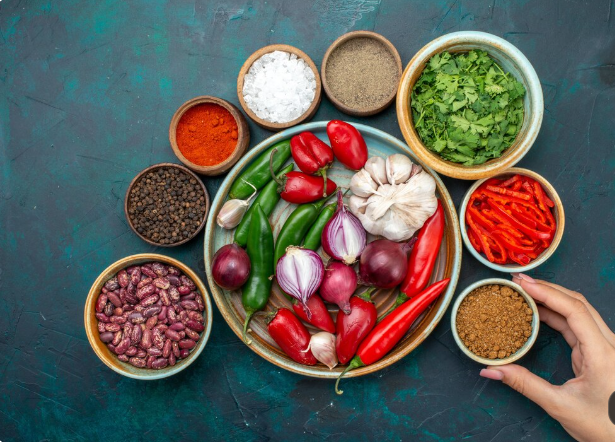
Herbs and spices are essential ingredients that bring depth, aroma, and character to food. From traditional family recipes to modern culinary creations, they transform simple ingredients into flavorful dishes. Understanding how to use herbs and spices effectively can improve cooking skills, encourage creativity, and make everyday meals more enjoyable.
Although herbs and spices are often mentioned together, they have different characteristics and culinary purposes. Learning their unique qualities helps home cooks create balanced, delicious meals.
1. Understanding the Difference Between Herbs and Spices
Herbs generally come from the leafy parts of plants, while spices are obtained from seeds, roots, bark, flowers, or fruits.
Common herbs include basil, parsley, cilantro, rosemary, thyme, and mint. They typically provide fresh, earthy, or aromatic flavors.
Spices such as cinnamon, turmeric, cumin, cloves, and black pepper offer warm, sweet, pungent, or complex tastes.
Both ingredients contribute to the overall flavor of a dish, but understanding their differences allows cooks to select the right combinations.
2. How Herbs Enhance Natural Flavors
Herbs are particularly effective at highlighting the natural flavors of vegetables, meats, grains, and sauces.
Fresh basil adds a fragrant sweetness to tomato-based dishes, while rosemary complements roasted potatoes and grilled meats. Cilantro introduces brightness to salads, soups, and various international cuisines.
Fresh herbs are often added toward the end of cooking to preserve their delicate flavors. However, stronger herbs such as rosemary and thyme can withstand longer cooking periods.
Using herbs thoughtfully helps create dishes that taste fresh without requiring excessive salt or heavy sauces.
3. The Importance of Spices in Cooking
Spices provide intensity, warmth, and complexity that can completely change a recipe.
For example, cumin delivers an earthy flavor commonly found in Indian, Mexican, and Middle Eastern dishes. Cinnamon adds warmth to desserts and savory preparations, while paprika contributes color and mild sweetness.
Spices can also influence how flavors develop during cooking. Toasting whole spices briefly in a dry pan releases aromatic compounds and enhances their fragrance.
Similarly, cooking ground spices gently in oil can distribute their flavors throughout a dish. Careful temperature control is important because overheated spices may become bitter.
4. Creating Balanced Flavor Combinations
Successful cooking involves balancing different tastes rather than relying on a single dominant ingredient.
Herbs and spices work alongside sweetness, acidity, saltiness, bitterness, and savory flavors to create satisfying meals.
For instance, combining cumin, coriander, and turmeric can produce a warm foundation for vegetable curries. Basil, oregano, and garlic complement Mediterranean-style sauces and roasted vegetables.
Experimenting with small quantities allows cooks to discover combinations that suit their preferences.
Starting with two or three complementary seasonings is often more effective than adding too many flavors simultaneously.
5. Fresh Herbs vs. Dried Herbs
Both fresh and dried herbs have important roles in cooking.
Fresh herbs provide vibrant aromas and are ideal for garnishing, salads, dressings, and finishing dishes. Dried herbs offer concentrated flavors and are especially useful in soups, stews, marinades, and slow-cooked recipes.
Because dried herbs are generally more concentrated, smaller quantities are usually needed. As a practical starting point, one teaspoon of dried herbs can replace approximately one tablespoon of fresh herbs, although the exact ratio varies.
Proper storage also matters. Fresh herbs should be refrigerated appropriately, while dried herbs and spices should be kept in sealed containers away from heat, moisture, and direct sunlight.
6. Exploring Global Culinary Traditions
Herbs and spices play a significant role in defining regional cuisines.
Indian cooking frequently features turmeric, cumin, cardamom, and coriander. Mediterranean dishes commonly incorporate oregano, basil, rosemary, and thyme.
Thai cuisine often combines lemongrass, galangal, basil, and chilies to create aromatic and layered flavors.
Mexican cooking uses ingredients such as cumin, oregano, and different chili varieties to develop rich, distinctive dishes.
Exploring international seasoning traditions introduces home cooks to new ingredients and encourages greater culinary creativity.
7. Health Benefits of Herbs and Spices
Beyond enhancing flavor, many herbs and spices contain naturally occurring antioxidants and other plant compounds.
Turmeric contains curcumin, while ginger contains gingerols. Garlic, cinnamon, and rosemary also contain compounds studied for their potential health-related properties.
However, their effects depend on quantities, preparation methods, and overall dietary habits. Culinary herbs and spices should complement a balanced diet rather than replace medical treatment.
An additional advantage is that flavorful seasoning can make meals satisfying with less added salt, sugar, or rich sauces.
8. Practical Tips for Cooking With Herbs and Spices
Making the most of herbs and spices requires attention to timing, quantity, and freshness.
- Start small: Add moderate quantities and adjust according to taste.
- Toast carefully: Briefly heating whole spices can improve their aroma.
- Consider cooking time: Add delicate herbs near the end and robust seasonings earlier.
- Store properly: Protect dried seasonings from moisture, heat, and sunlight.
- Experiment creatively: Try unfamiliar combinations to discover new flavors.
These simple techniques can improve everyday meals while building confidence in the kitchen.
Conclusion
Herbs and spices are much more than additional ingredients; they are fundamental elements of flavorful cooking. They introduce aroma, balance, complexity, and cultural identity to dishes while offering opportunities for healthier seasoning choices.
By understanding their characteristics, experimenting with combinations, and applying proper cooking techniques, anyone can transform ordinary recipes into memorable culinary experiences.
Read more: How Global Food Cultures Influence Modern Cooking Trends

Jhon AJS, the creative mind behind Grammar Update, is an experienced blogger passionate about simplifying English grammar. He focuses on explaining confusing word vs word differences, grammar rules, punctuation, and sentence structure in a clear and practical way. Through easy to understand guides and examples, Jhon helps readers improve their writing and communicate with confidence. With years of blogging experience, he continues to share helpful insights that make learning grammar simple, useful, and accessible for everyone.