Introduction
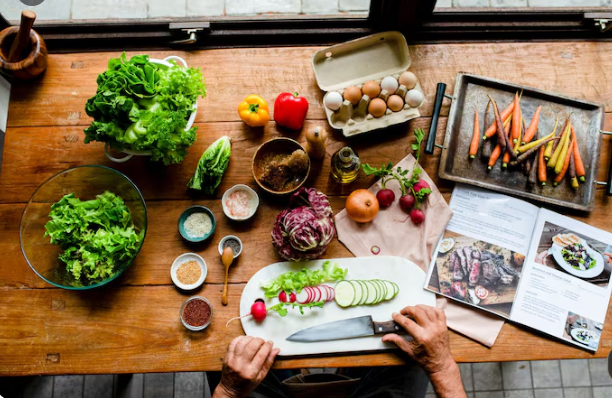
Food has always been an important part of human culture, reflecting traditions, history, and local lifestyles. Today, modern cooking is increasingly influenced by flavors, ingredients, and techniques from different parts of the world. As international travel, social media, and cultural exchanges become more common, people are discovering new ways to prepare and enjoy food.
Global food cultures are transforming everyday cooking by introducing exciting combinations, healthier ingredients, and creative preparation methods. This growing connection between traditional cuisine and modern innovation is shaping the future of food.
1. The Growing Popularity of Fusion Cuisine
Fusion cuisine is one of the most noticeable results of global culinary influence. It combines ingredients, flavors, and cooking techniques from different cultures to create unique dishes.
For example, Korean-inspired tacos blend Mexican street food with Korean barbecue flavors, while sushi burritos combine Japanese ingredients with a convenient handheld format.
These combinations encourage chefs and home cooks to experiment with familiar meals while introducing international influences. Fusion cooking also reflects the multicultural communities where different culinary traditions naturally meet.
2. Traditional Ingredients Are Becoming Global Favorites
Ingredients once associated with specific regions are now commonly used in kitchens worldwide.
Turmeric, traditionally important in South Asian cooking, appears in smoothies, soups, and wellness drinks. Japanese miso is increasingly used in salad dressings, marinades, and sauces, while Mediterranean olive oil remains popular in everyday cooking.
Other internationally recognized ingredients include kimchi, tahini, coconut milk, and gochujang.
The availability of these ingredients allows people to explore new flavors without traveling abroad. Supermarkets, specialty stores, and online retailers have made international cooking more accessible than ever.
3. International Cooking Techniques Inspire Creativity
Global food cultures influence modern kitchens through preparation methods as well as ingredients.
Asian stir-frying techniques offer a quick way to prepare vegetables and proteins, while Mediterranean grilling emphasizes fresh ingredients and simple seasonings.
Traditional fermentation methods used in Korean, Japanese, and European cuisines have also gained popularity. Foods such as kimchi, miso, sauerkraut, and fermented vegetables introduce distinctive flavors and textures.
Similarly, slow-cooking traditions from different cultures inspire modern recipes that prioritize tenderness, layered spices, and rich flavors.
By combining traditional techniques with modern kitchen equipment, cooks can create diverse dishes while improving convenience.
4. Social Media Is Expanding Culinary Awareness
Social media platforms have become powerful tools for spreading international food trends.
Short cooking videos, recipe tutorials, and food photography introduce audiences to dishes they may never have encountered otherwise. Recipes featuring Japanese ramen, Indian street food, Turkish desserts, and Middle Eastern flatbreads regularly attract global attention.
Food creators also explain traditional preparation methods, helping viewers understand the cultural background of unfamiliar dishes.
This digital exchange encourages experimentation and allows traditional recipes to reach international audiences.
However, learning about the origins of a dish remains important when adapting cultural recipes.
5. Global Cuisines Encourage More Diverse Eating Habits
Many international food traditions emphasize balanced meals built around vegetables, grains, legumes, herbs, and seasonal ingredients.
Mediterranean cuisine often includes vegetables, olive oil, beans, and whole grains. Traditional Japanese meals commonly feature rice, vegetables, seafood, and fermented foods.
Indian cuisine offers numerous plant-based dishes using lentils, chickpeas, vegetables, and aromatic spices.
These examples inspire modern cooks to introduce greater variety into their diets.
Rather than following one particular cuisine, people can explore different food traditions to build enjoyable meals that suit their nutritional needs and preferences.
6. Restaurants Are Adapting to Global Influences
Restaurants are increasingly incorporating international flavors into their menus to satisfy customers looking for diverse dining experiences.
Casual restaurants may serve globally inspired rice bowls, creative noodle dishes, or international street-food selections.
Fine-dining establishments often reinterpret traditional recipes using contemporary presentation techniques.
Meanwhile, food trucks and small eateries introduce regional specialties to communities that may have limited access to authentic international dishes.
This growing culinary diversity provides more opportunities for customers to discover unfamiliar flavors and supports innovation within the restaurant industry.
7. Preserving Culinary Traditions in a Modern World
Although modern cooking encourages experimentation, preserving traditional food cultures remains essential.
Recipes often carry stories about family celebrations, regional identities, and historical experiences. Traditional cooking methods are frequently passed down through generations, preserving valuable knowledge.
Chefs and food enthusiasts can respect these traditions by studying authentic recipes, understanding ingredient origins, and acknowledging the cultures behind popular dishes.
Modern innovation becomes more meaningful when it celebrates culinary heritage rather than replacing it.
Conclusion
Global food cultures are reshaping modern cooking by connecting traditional flavors with contemporary creativity. From fusion cuisine and international ingredients to innovative cooking techniques and digital food communities, culinary influences now travel across borders more easily than ever.
As people continue exploring international cuisines, modern cooking will become increasingly diverse, creative, and culturally connected. Embracing global food traditions not only makes everyday meals more exciting but also encourages greater appreciation for the cultures that created them.
Read more: Smart Money Management Habits for Young Professionals

Jhon AJS, the creative mind behind Grammar Update, is an experienced blogger passionate about simplifying English grammar. He focuses on explaining confusing word vs word differences, grammar rules, punctuation, and sentence structure in a clear and practical way. Through easy to understand guides and examples, Jhon helps readers improve their writing and communicate with confidence. With years of blogging experience, he continues to share helpful insights that make learning grammar simple, useful, and accessible for everyone.