Introduction
Interior design is evolving beyond aesthetics to focus on comfort, well-being, and a deeper connection with nature. One trend gaining significant attention is biophilic interior design, an approach that brings natural elements into indoor environments. From lush greenery and natural sunlight to wooden furniture and organic textures, biophilic design transforms ordinary spaces into refreshing and peaceful surroundings.
As people spend more time indoors, the desire to reconnect with nature has become increasingly important. This growing awareness has made biophilic design a popular choice for homes, offices, hotels, and commercial spaces.
What Is Biophilic Interior Design?
Biophilic interior design is based on the idea that humans have an inherent connection with nature. It incorporates natural materials, plants, daylight, water features, and nature-inspired patterns into interior spaces.
Unlike traditional decorating styles that primarily emphasize visual appeal, biophilic design aims to create environments that support physical comfort, emotional well-being, and relaxation.
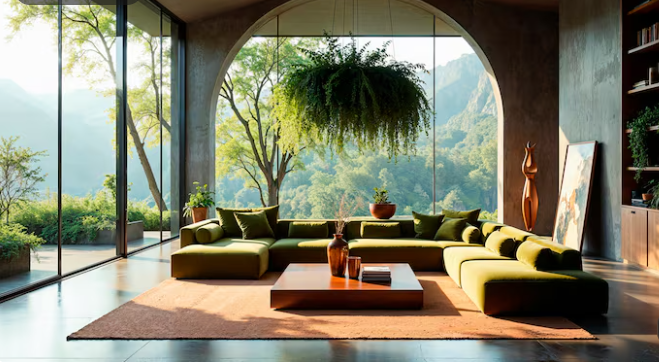
For example, a living room with large windows, indoor plants, wooden furniture, and earthy colors can create a calming atmosphere while maintaining a modern appearance.
Why Biophilic Design Is Becoming Popular
1. Growing Awareness of Mental Well-Being
Modern lifestyles often involve long working hours, digital screens, and limited outdoor activities. Consequently, people increasingly seek indoor environments that encourage relaxation and reduce everyday stress.
Natural elements such as greenery, sunlight, and organic textures can contribute to a more peaceful atmosphere. Research also suggests that certain forms of exposure to nature may support mood and stress recovery.
2. Increased Interest in Sustainable Living
Environmental awareness is influencing interior design preferences. Many homeowners now prefer responsibly sourced wood, bamboo, cork, and recycled materials instead of relying entirely on synthetic alternatives.
Biophilic design aligns with these preferences by encouraging thoughtful material selection and a greater appreciation for natural resources.
However, sustainability also depends on responsible sourcing, product durability, and overall environmental impact.
3. The Influence of Remote Working
The rise of remote and hybrid working arrangements has increased the importance of comfortable home environments.
Biophilic design can help transform home offices into inviting workspaces. Natural lighting, indoor greenery, and views of outdoor landscapes may improve the working experience and support concentration.
Even small additions, such as a potted plant or a desk positioned near a window, can make a workspace feel more welcoming.
Essential Elements of Biophilic Interior Design
Natural Light and Open Spaces
Sunlight plays an important role in creating bright and comfortable interiors. Large windows, skylights, and carefully positioned mirrors can help maximize natural illumination.
Open layouts also allow daylight to travel throughout a room, creating a sense of spaciousness.
Indoor Plants and Greenery
Plants are among the most recognizable features of biophilic interiors. Snake plants, pothos, peace lilies, and ferns are commonly used to introduce greenery into living spaces.
Vertical gardens and decorative planters can also enhance smaller apartments without occupying excessive floor space.
Natural Materials and Textures
Wood, stone, bamboo, rattan, linen, and cotton help create an organic appearance. These materials add warmth and texture while making interiors feel connected to the natural world.
Combining different natural textures can produce a balanced design that feels elegant without becoming overly complicated.
Earth-Inspired Color Palettes
Colors inspired by forests, mountains, oceans, and landscapes are central to biophilic design.
Popular choices include soft greens, warm browns, sandy beige, muted blues, and earthy terracotta. These shades complement natural materials and encourage a peaceful atmosphere.
Benefits of Biophilic Interior Design
Biophilic interiors offer several potential advantages beyond visual attractiveness.
Improved relaxation: Natural surroundings may help create a calming environment after a busy day.
Greater visual comfort: Thoughtful daylight management can reduce dependence on artificial lighting during daytime hours.
Stronger connection with nature: Greenery and natural textures provide opportunities to experience nature-inspired surroundings indoors.
Enhanced aesthetic appeal: Organic materials and natural colors create timeless interiors that can complement various decorating styles.
More inviting spaces: Nature-inspired environments can make homes and workplaces feel welcoming and comfortable.
These benefits depend on individual preferences, design quality, and environmental conditions.
Simple Ways to Introduce Biophilic Design at Home
Creating a nature-inspired interior does not necessarily require expensive renovations. Small adjustments can make a noticeable difference.
Start by placing plants near windows, using wooden decorative pieces, and choosing curtains that allow natural light to enter. Introduce organic fabrics, nature-inspired artwork, and neutral colors to enhance the overall atmosphere.
Homeowners can also create a small indoor garden, arrange seating near outdoor views, or incorporate natural stone accessories.
The goal is to establish a comfortable relationship between indoor living and the natural environment.
The Future of Biophilic Interior Design
As wellness, sustainability, and thoughtful living continue to influence design decisions, biophilic interiors are likely to remain relevant.
Architects and designers are increasingly exploring how nature-inspired environments can be integrated into residential buildings, workplaces, and public spaces.
Future developments may combine energy-efficient architecture, sustainable materials, and innovative greenery systems to create more environmentally conscious interiors.
Conclusion
The growing popularity of biophilic interior design reflects a shift toward creating spaces that support both beauty and well-being. By incorporating natural light, greenery, organic materials, and earthy colors, homeowners can establish more comfortable and inviting environments.
Whether through simple decorative changes or larger architectural improvements, biophilic design offers a practical way to bring the calming influence of nature into everyday indoor living.
Read more: Exploring the Impact of Quantum Computing on Future Innovation

Jhon AJS, the creative mind behind Grammar Update, is an experienced blogger passionate about simplifying English grammar. He focuses on explaining confusing word vs word differences, grammar rules, punctuation, and sentence structure in a clear and practical way. Through easy to understand guides and examples, Jhon helps readers improve their writing and communicate with confidence. With years of blogging experience, he continues to share helpful insights that make learning grammar simple, useful, and accessible for everyone.