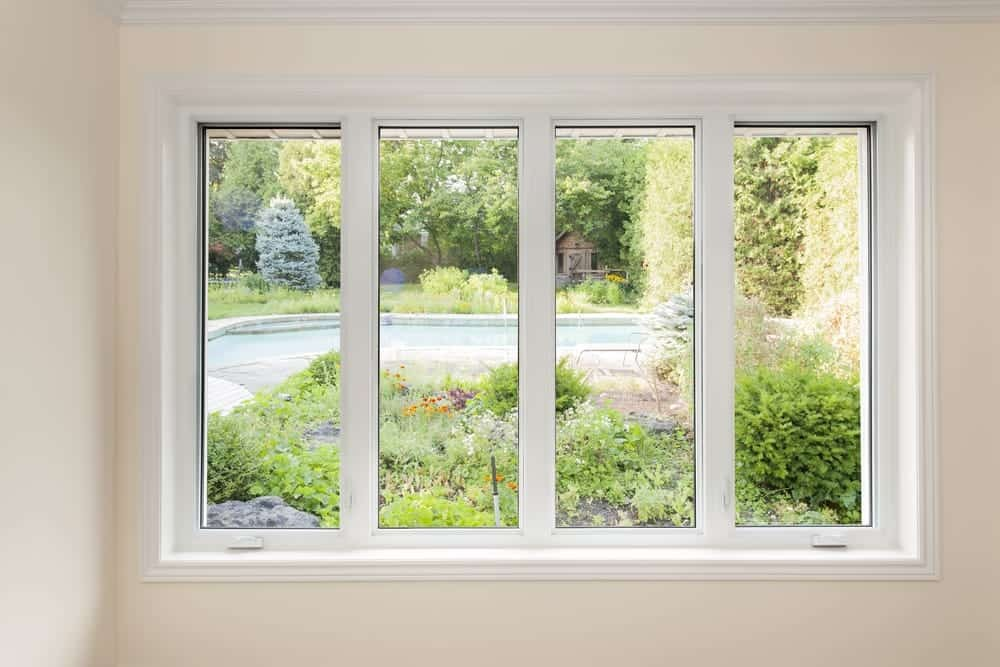
An invisible intruder which siphons off your daily energy is urban noise pollution. Persistent loud noises break through our walls, disrupting sleep and destroying concentration at work. Ordinary windows are basically incapable of standing up to the turmoil of modern city life, and with the elite architectural choices today, a good chunk of wall is replaced by glass, so why should the windows not be as equipped as the rest of your architecture is?
Aluminium soundproof residential windows are the best choice for such interior needs, since the frames are much stronger and can be paired with noise proof glass. These systems work very well, and the guide below helps you explore about them.
What Even Is The Difference?
The main feature of these soundproofing windows is the frame and the right glass combined. Ordinary windows are usually made out of simple uPVC, which is easily flexible. When sound waves hit these weak frames, they vibrate much as a speaker cone does, thus increasing the level of noise and allowing it to enter your house directly. They also have simple rubber seals that break down rapidly, leaving behind tiny air gaps through which noise gets in after some time of use.
High-performance soundproof windows, on the other hand, deal with the problem by using strong materials. The quality aluminium has outstanding structural density and mass, and it can hold much larger glass panes without warping or sagging over time. Since the material is naturally heavy and rigid, it absorbs and dampens the physical vibrations of low-frequency sounds such as those from rumbling truck engines.
Moreover, the exact manufacturing tolerances are such that they are suitable for heavy, multi-layered laminated glass, making them the ideal aluminium double glazed windows
When the window is closed, the advanced multi-point locking system compresses the high-quality gaskets so tightly that it completely cuts off the air passages that sound waves need in order to travel.
What Premium Soundproof Windows Can Do That a Regular One Cannot?
Performance, engineering, and durability are the main factors that differentiate how a regular window system and a soundproof window system can keep your home comfortable in the long run.
- Notable Decibel Reduction: In contrast to a normal window, which reduces the noise level by only 20 decibels, premium soundproofing windows have outstanding insulation properties, and they can reduce outside noise levels up to 35 decibels.
- Proven Airtightness: Standard windows have unproven performance, while premium anti noise windows have an independent seal for their wind, water, and air resistance performance. It is important to have a high airtightness rating to prevent noise because if the fenestration has even enough space for air to pass through, that is enough for the noise to enter your home as well.
- Durability of it: Over time, the frame of standard windows bends due to excessive wind or high temperatures and provides additional opportunities for noise to enter. The aluminium of the premium soundproof glass windows, on the other hand, is totally protected from wear and tear and thus is airtight and soundproof even after years of use.
- Additional Features: Just like the features that make the window soundproof, the features that provide outstanding thermal efficiency mean your home will stay at the same temperature for much longer, and it directly reduces the need for air conditioners as well as heaters.
What Design Caters To What Room Better?
Different areas of your home face unique noise levels, and choosing the right window design depends highly on the room’s purpose and your city’s environment.
Living Rooms and Balconies in High-Rise Cities:
- For homes facing busy expressways or metro lines, Premium Sliding Windows or large Lift-and-Slide Systems are ideal.
- When engineered with premium aluminium, they allow for massive glass spans to capture views while creating a tight acoustic seal when locked into place.
Bedrooms and Home Offices Facing Main Roads:
- Silence is non-negotiable for sleep and focus. For these areas, Casement (Openable) Windows are the best choice as the noise insulating windows.
- Casement designs push flat against the frame when locked, engaging a continuous compression seal around the perimeter that blocks out aggressive honking and street noise far better than standard sliders.
Nurseries and Study Rooms in Coastal or Windy Regions:
- If your home experiences both high wind pressure and urban noise, Tilt-and-Turn Windows offer the ultimate flexibility.
- These anti noise windows can tilt from the top for secure, draft-free ventilation or close completely to seal out heavy rainstorms and chaotic city sounds alike.
To Sum Up
With the hustle and bustle of an urban area, there will always be immense disturbance in the environment, but it should stay that way, out of your house. If you are looking for the best windows for noise reduction, you can explore the exclusive ranges from Eternia Windows, setting the standard with the acoustic window systems made of Duranium, which are 40% stronger than the usual aluminium, offering a 12-year warranty on the profile and a 5-year warranty on the hardware, while you can choose the customisable frames for the same.
Read more : Home Made vs Homemade Which Is Correct?

Jhon AJS, the creative mind behind Grammar Update, is an experienced blogger passionate about simplifying English grammar. He focuses on explaining confusing word vs word differences, grammar rules, punctuation, and sentence structure in a clear and practical way. Through easy to understand guides and examples, Jhon helps readers improve their writing and communicate with confidence. With years of blogging experience, he continues to share helpful insights that make learning grammar simple, useful, and accessible for everyone.