Introduction
Interior design is about more than choosing attractive furniture and matching colors. A well-designed space should feel comfortable, welcoming, and reflective of the people who use it. Texture and layering are two essential design techniques that help achieve this balance. By combining different materials, fabrics, patterns, and decorative elements, homeowners can create interiors that feel visually interesting and full of personality.
Whether decorating a modern apartment or refreshing a traditional home, understanding texture and layering can make an ordinary room feel unique and thoughtfully designed.
Understanding Texture in Interior Design
Texture refers to the surface quality of materials and how they appear or feel. Some surfaces are smooth and polished, while others are rough, soft, woven, or naturally uneven.
For example, a velvet sofa creates a different visual and physical experience from a leather chair. Similarly, wooden furniture introduces natural warmth, while glass and metal surfaces contribute a sleek, contemporary appearance.
Combining contrasting textures prevents rooms from looking flat or monotonous. A smooth marble table paired with woven chairs or a soft rug placed beneath wooden furniture can create a balanced and appealing arrangement.
Why Layering Makes Interior Spaces More Inviting
Layering involves combining multiple design elements to create depth and visual interest. Instead of relying on a single decorative feature, designers arrange complementary materials, colors, and accessories throughout a room.
A living room might feature a comfortable sofa decorated with cushions of different fabrics, a textured throw blanket, a patterned rug, and layered window treatments.
These elements work together to create a welcoming atmosphere without making the space feel overcrowded.
Successful layering requires balance. Each addition should contribute to the overall design rather than compete for attention.
Combining Different Fabrics and Materials
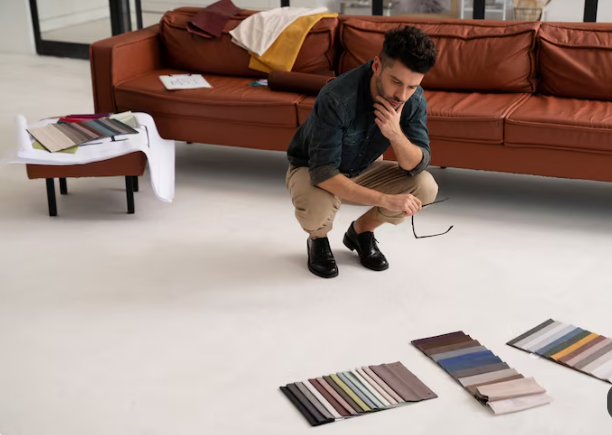
One of the easiest ways to introduce texture is through fabrics. Cotton, linen, wool, velvet, and natural fibers each provide distinctive qualities.
Linen curtains can create a relaxed atmosphere, while velvet cushions introduce elegance. Wool rugs add warmth, and woven baskets provide practical storage alongside decorative appeal.
Natural materials are particularly effective because they introduce subtle variations in color and surface appearance.
Wood, stone, rattan, ceramics, and woven textiles can also complement modern furniture, making contemporary interiors feel less rigid and more comfortable.
Using Color to Support Texture and Layering
Color plays an important role in highlighting textures. Neutral palettes often work well because they allow material differences to become more noticeable.
For example, a room decorated in shades of cream, beige, and warm gray can still feel dynamic when it includes knitted blankets, linen upholstery, wooden furniture, and textured walls.
Bold colors can also enhance layered interiors. Deep green cushions, terracotta accessories, or navy curtains can create contrast against lighter surroundings.
The key is maintaining a consistent color palette while allowing individual textures to stand out naturally.
Creating Depth Through Lighting
Lighting influences how textures appear within a room. Natural daylight reveals surface details, while artificial lighting can emphasize specific materials and decorative features.
Wall lights, table lamps, pendant fixtures, and floor lamps can create different layers of illumination.
Soft lighting makes fabrics appear warmer and more inviting, while directional lighting can highlight textured walls, wooden panels, and decorative artwork.
Combining several lighting sources creates a more flexible environment and enhances the overall visual character of an interior.
Adding Personality Through Decorative Accessories
Accessories provide opportunities to express individual style without making major changes to a room.
Handcrafted pottery, woven wall hangings, framed artwork, decorative cushions, and vintage objects can introduce character and meaningful visual details.
A collection of travel souvenirs displayed on wooden shelves may tell a personal story, while handmade ceramics can give a contemporary room a distinctive artistic touch.
Rather than filling every available surface, selecting a few meaningful pieces helps maintain an organized and intentional appearance.
Balancing Texture Without Overcrowding
Although texture and layering improve visual interest, excessive combinations can make a room feel cluttered.
A practical approach is to choose one dominant texture and support it with a few complementary materials.
For instance, a bedroom featuring a soft upholstered headboard might include crisp cotton bedding, a knitted throw, and simple wooden bedside tables.
Leaving some surfaces uncluttered allows the layered elements to remain noticeable.
Repeating certain materials or colors throughout the room also helps create visual continuity.
Conclusion
Texture and layering are powerful interior design techniques that bring warmth, depth, and individuality to living spaces. By thoughtfully combining fabrics, natural materials, lighting, colors, and decorative accessories, homeowners can create rooms that feel comfortable and visually engaging.
The most successful interiors balance contrasting textures with a consistent design direction. With thoughtful choices, even small decorative updates can transform a plain room into a welcoming space filled with personality.
Read more: The Growing Importance of Software Integration in Business Operations

Jhon AJS, the creative mind behind Grammar Update, is an experienced blogger passionate about simplifying English grammar. He focuses on explaining confusing word vs word differences, grammar rules, punctuation, and sentence structure in a clear and practical way. Through easy to understand guides and examples, Jhon helps readers improve their writing and communicate with confidence. With years of blogging experience, he continues to share helpful insights that make learning grammar simple, useful, and accessible for everyone.