Introduction
The real estate industry has experienced significant changes with the introduction of digital technologies. One of the most exciting innovations is the virtual property tour, which allows potential buyers to explore homes without physically visiting them. From interactive 3D walkthroughs to immersive virtual reality experiences, these tools are changing how people search for, evaluate, and purchase properties.
Virtual property tours provide convenience, save time, and help buyers make informed decisions. As technology continues to evolve, these digital experiences are becoming an increasingly important part of the modern homebuying journey.
1. Making Property Searches More Convenient
Traditionally, buying a home involved scheduling multiple property visits, traveling between locations, and spending considerable time exploring different neighborhoods. Virtual property tours simplify this process by allowing buyers to view homes from their computers, tablets, or smartphones.
Buyers can explore several properties in a single day without leaving their homes. This convenience is especially valuable for busy professionals, families, and individuals relocating to another city or country.
Virtual tours also allow buyers to revisit properties whenever necessary, making it easier to compare options before arranging physical inspections.
2. Offering Immersive Property Experiences
Modern virtual property tours go beyond ordinary photographs and videos. Advanced 3D technology allows potential buyers to move through rooms, examine layouts, and understand how different spaces connect.
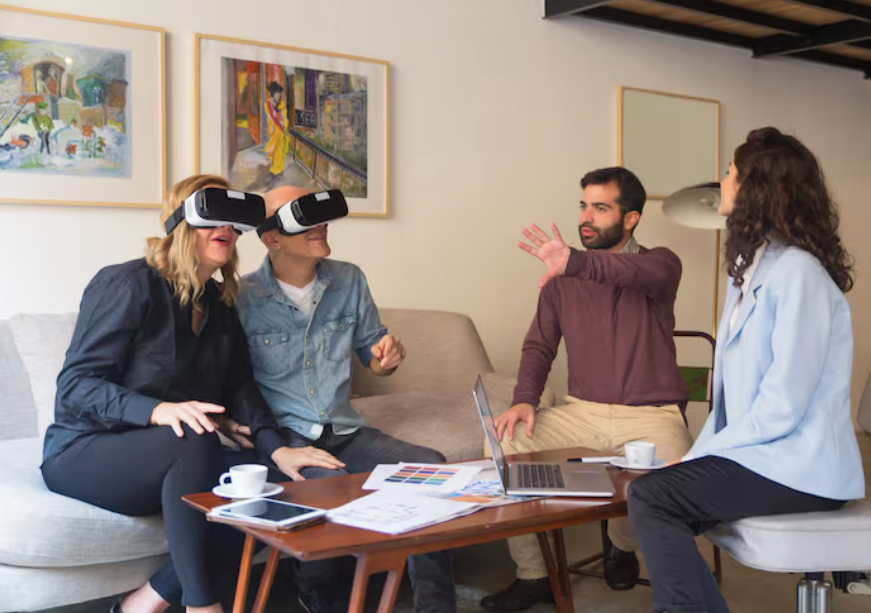
Some platforms offer virtual reality experiences that make users feel as though they are physically walking through a property.
These immersive features help buyers understand important details, including room dimensions, furniture arrangements, natural lighting, and overall property design.
Although virtual tours cannot completely replace physical inspections, they provide a much clearer understanding of a home’s layout than traditional property listings.
3. Saving Time for Buyers and Real Estate Agents
Time management is an important consideration in the homebuying process. Visiting multiple properties can become exhausting, particularly when homes are located far apart.
Virtual tours help buyers narrow their choices before scheduling in-person visits.
Real estate agents benefit from this technology as well. Instead of arranging physical viewings for every interested customer, agents can share virtual tours that allow prospective buyers to evaluate properties independently.
This approach reduces unnecessary appointments and allows agents to focus on buyers who have a stronger interest in specific homes.
4. Helping Buyers Make Better Decisions
Purchasing a home is a major financial commitment, making careful evaluation essential.
Virtual property tours allow buyers to examine various aspects of a home repeatedly. They can review the kitchen layout, inspect the living areas, compare bedroom sizes, and consider whether the property suits their lifestyle.
Some advanced platforms also include measurement tools, floor plans, and interactive information about property features.
Having access to these details helps buyers create realistic expectations and prepare informed questions before visiting a property in person.
5. Expanding Opportunities for Long-Distance Buyers
Virtual property tours are particularly beneficial for people purchasing homes in different cities, states, or countries.
Relocating for employment, education, or family reasons often makes traditional property visits difficult.
Through virtual tours, buyers can explore available homes regardless of their location. International investors can also evaluate potential real estate opportunities without immediately traveling to the destination.
This increased accessibility expands the potential audience for property sellers while helping buyers explore a wider range of housing options.
6. Improving Transparency in Property Listings
Clear and accurate information builds trust between property buyers, sellers, and agents.
Virtual tours can provide a more complete representation of a property’s interior than carefully selected listing photographs.
Buyers can examine room arrangements, identify unusual layouts, and better understand the property’s overall condition.
However, virtual tours may not reveal structural defects, hidden damage, unpleasant odors, or maintenance problems. Buyers should still consider physical inspections and professional assessments before making final purchasing decisions.
7. Supporting More Effective Real Estate Marketing
For real estate professionals, virtual tours have become valuable marketing tools.
Listings featuring interactive walkthroughs can attract buyers who prefer detailed digital experiences. Sellers can showcase their properties to a broader audience, including people who cannot attend traditional open houses.
Virtual tours can also be shared through property websites, social media platforms, and digital advertising campaigns.
When combined with professional photography, accurate descriptions, and transparent pricing, they help create informative and engaging property listings.
8. The Future of Virtual Property Tours
Emerging technologies are expected to make virtual property tours even more interactive.
Artificial intelligence may help personalize property recommendations based on buyers’ preferences, while augmented reality can allow users to visualize different furniture arrangements or interior design changes.
Future platforms may also combine virtual walkthroughs with neighborhood information, energy efficiency details, and interactive renovation possibilities.
These improvements could make online property searches more practical and informative, although professional inspections and legal checks will remain essential.
Conclusion
Virtual property tours are transforming the homebuying experience by making property searches more convenient, accessible, and efficient. They allow buyers to explore homes remotely, compare multiple options, and make better-informed decisions before scheduling physical visits.
For real estate agents and sellers, these technologies create new opportunities to showcase properties and connect with potential customers.
As digital tools continue to advance, virtual property tours will likely become an increasingly valuable part of real estate transactions, creating a more flexible and buyer-friendly property market.
Read more : Understanding Risk and Reward in Long-Term Investing

Jhon AJS, the creative mind behind Grammar Update, is an experienced blogger passionate about simplifying English grammar. He focuses on explaining confusing word vs word differences, grammar rules, punctuation, and sentence structure in a clear and practical way. Through easy to understand guides and examples, Jhon helps readers improve their writing and communicate with confidence. With years of blogging experience, he continues to share helpful insights that make learning grammar simple, useful, and accessible for everyone.