Introduction
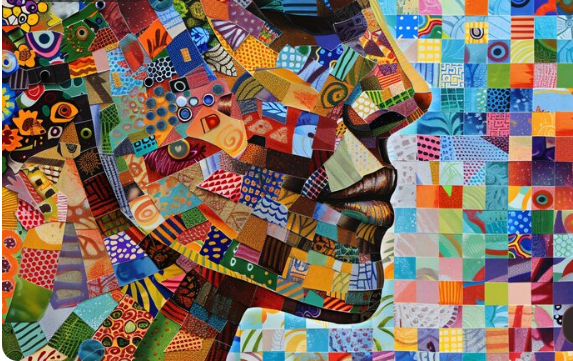
Art has always been a powerful reflection of human experiences, beliefs, and traditions. In today’s interconnected world, cultural identity plays an increasingly important role in shaping contemporary artistic expression. Artists draw inspiration from their heritage, personal experiences, and social environments to create meaningful works that communicate stories beyond geographical boundaries.
Contemporary art is not simply about visual beauty. It also explores identity, belonging, history, and cultural transformation. Through painting, sculpture, photography, digital media, and performance, artists express their relationships with their cultural backgrounds while responding to modern social changes.
Understanding how cultural identity influences artistic expression reveals the deeper connections between creativity, society, and human experience.
Understanding Cultural Identity in Art
Cultural identity refers to the shared traditions, values, languages, beliefs, and customs that connect individuals to particular communities. These elements influence how people understand themselves and interpret the world around them.
For artists, cultural identity often becomes a foundation for creativity. Childhood memories, family traditions, historical events, and community experiences can inspire artistic concepts and visual styles.
An artist raised in a culturally diverse environment may combine different artistic influences, while someone strongly connected to ancestral traditions may incorporate historical symbols into contemporary designs.
Rather than limiting creativity, cultural identity provides artists with distinctive perspectives that enrich modern artistic expression.
Preserving Traditions Through Contemporary Creativity
One of the most significant ways cultural identity shapes art is through the preservation of traditional practices.
Many contemporary artists reinterpret ancient artistic techniques, patterns, and materials to create works that connect the past with the present.
Traditional weaving, pottery, calligraphy, embroidery, and indigenous painting techniques frequently appear in modern exhibitions and installations.
For example, an artist might combine traditional textile patterns with digital printing techniques to create artwork that reflects both historical craftsmanship and technological innovation.
This approach helps protect cultural knowledge while introducing traditional artistic practices to younger generations.
By adapting cultural traditions to modern forms, artists demonstrate that heritage remains relevant in an evolving society.
The Influence of Globalization on Artistic Identity
Globalization has created unprecedented opportunities for cultural exchange. Artists can explore creative ideas from different countries, collaborate internationally, and share their work with global audiences.
As a result, contemporary artistic expression increasingly reflects combinations of cultural influences.
A modern painter may integrate Asian design principles with European abstract techniques, while a digital artist may combine African-inspired patterns with futuristic visual elements.
These creative combinations can produce innovative artistic styles that challenge conventional cultural boundaries.
However, globalization also raises questions about cultural ownership and authenticity. Artists must consider the difference between respectful cultural appreciation and the inappropriate use of traditions without understanding their significance.
Responsible cultural exchange encourages collaboration, recognition, and mutual respect.
Art as a Reflection of Personal and Collective Identity
Cultural identity influences both individual experiences and collective memories.
Artists frequently explore themes such as migration, displacement, family history, and social belonging. These subjects help communicate the emotional complexities of living between different cultures.
For instance, an artist who has experienced migration may create photographs highlighting the contrast between their ancestral homeland and their current environment.
Similarly, artists from historically marginalized communities may use their work to challenge stereotypes and reclaim cultural narratives.
Such creative expressions allow audiences to understand perspectives that may otherwise remain overlooked.
Contemporary art therefore becomes a platform where personal stories contribute to broader conversations about cultural recognition and representation.
Cultural Symbols and Visual Storytelling
Symbols play an essential role in communicating cultural identity through art.
Colors, patterns, clothing, architectural forms, and traditional objects often carry meanings connected to particular communities.
Artists incorporate these elements into contemporary compositions to communicate cultural stories without relying entirely on written explanations.
For example, traditional clothing may symbolize ancestry, while familiar landscapes may represent memories of home.
The meaning of these symbols can change depending on the artist’s interpretation and the viewer’s cultural background.
This interaction creates opportunities for discussion, encouraging audiences to explore the historical and emotional significance behind artistic choices.
Technology and New Forms of Cultural Expression
Digital technology has expanded how artists express and preserve cultural identity.
Digital illustration, animation, virtual reality, and interactive installations allow creators to combine traditional cultural elements with experimental artistic techniques.
Artists can digitally reconstruct historical environments, animate traditional stories, or develop immersive experiences inspired by cultural ceremonies.
Social media platforms also allow emerging artists to present their cultural perspectives to international audiences without depending entirely on traditional galleries.
These technologies make cultural storytelling more accessible while encouraging new forms of artistic collaboration.
As technology continues to develop, it offers additional opportunities to document traditions and reinterpret cultural heritage creatively.
The Role of Contemporary Art in Cultural Dialogue
Contemporary art encourages conversations between communities with different cultural experiences.
Exhibitions, public installations, and collaborative projects create spaces where audiences can engage with unfamiliar traditions and perspectives.
Artists often address complex issues involving identity, discrimination, cultural preservation, and social change.
By presenting these subjects visually, art can inspire curiosity, empathy, and meaningful discussion.
Cultural dialogue through art does not require every viewer to share the same interpretation. Instead, it encourages people to appreciate the diversity of human experiences.
Conclusion
Cultural identity remains a powerful influence on contemporary artistic expression. It shapes artistic techniques, inspires personal storytelling, preserves historical traditions, and encourages creative experimentation.
As societies become increasingly connected, artists continue to explore the relationship between heritage and modern life. Their work demonstrates that cultural identity is not fixed but constantly evolves through experience, exchange, and innovation.
Ultimately, contemporary art provides a meaningful platform for celebrating cultural diversity, challenging assumptions, and strengthening connections between people across the world. By embracing their identities, artists create works that honor the past while imagining new possibilities for the future.
Read more: Exploring the Relationship Between Architecture and Visual Art

Jhon AJS, the creative mind behind Grammar Update, is an experienced blogger passionate about simplifying English grammar. He focuses on explaining confusing word vs word differences, grammar rules, punctuation, and sentence structure in a clear and practical way. Through easy to understand guides and examples, Jhon helps readers improve their writing and communicate with confidence. With years of blogging experience, he continues to share helpful insights that make learning grammar simple, useful, and accessible for everyone.